Marriage Guidance
Nikah Basics, Upon the Sunnah
A brotherly overview of what is required in the nikah and how to keep the marriage clean, public, and pleasing to Allah.
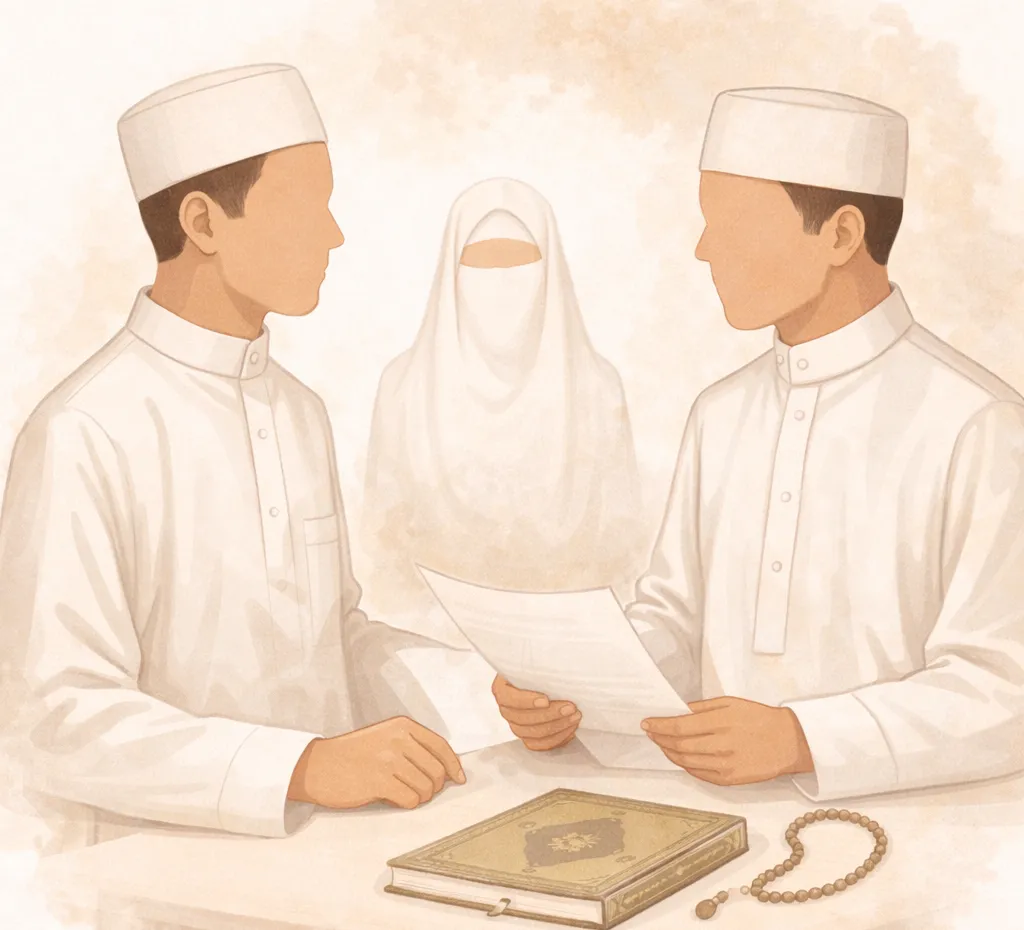
Goal: Share the essential requirements of the nikah so it is done properly, protects both families, and brings barakah.
The nikah is a serious covenant, not a casual arrangement. The believer seeks to fulfill it in a way that is clear, respectful, and in line with the Sunnah.
What Is Required in the Nikah
These are the core requirements that keep the nikah valid and protected.
1) Clear Consent
The bride and groom must both consent. There is no place for coercion.
2) Wali (Guardian)
There is no marriage without a wali. The guardian protects the bride's rights and ensures the marriage is handled properly.
3) Two Witnesses
Witnesses make the marriage public and protect both sides from secrecy and confusion.
4) Mahr
The mahr is a right of the bride. It should be agreed upon clearly and given with respect.
Character and Responsibility
Our advice to young couples returns to the same points: fear Allah, be truthful, and deal with each other with mercy. A marriage thrives when both spouses try to honor the other and keep the home upon taqwa.
Public Recognition
The nikah should be announced so it is not hidden. Public recognition protects the couple and closes the door to suspicion.
Waleemah With Simplicity
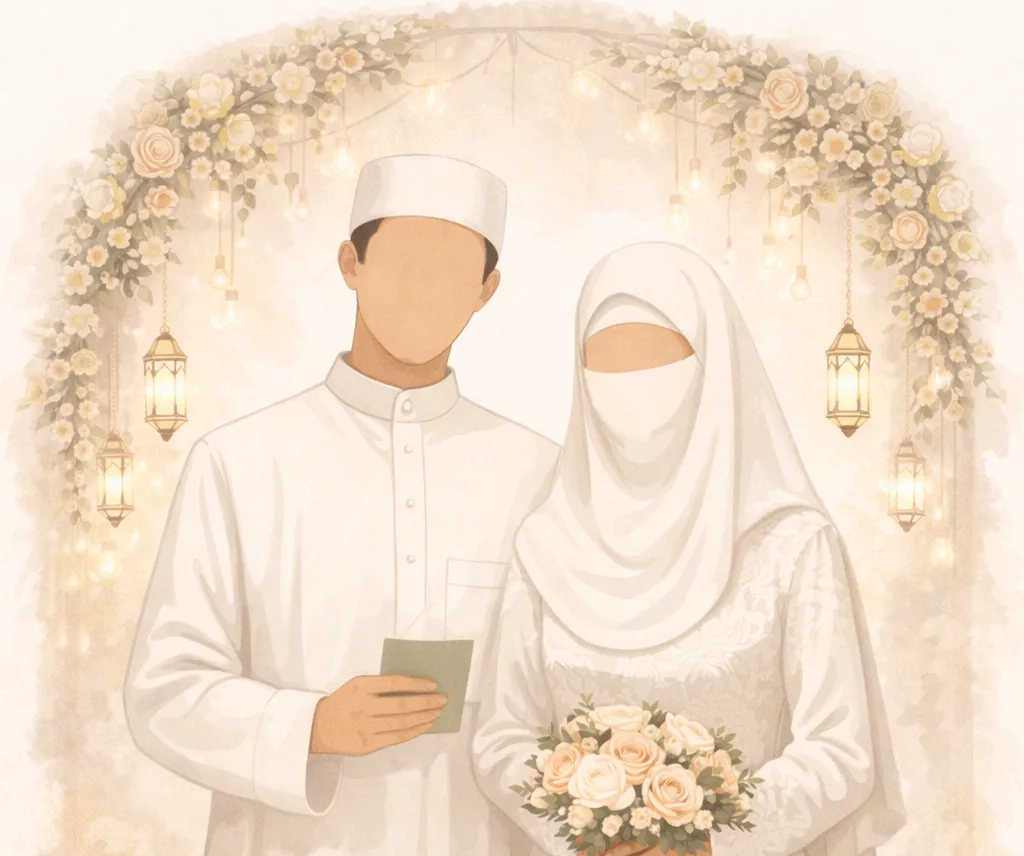
A simple, dignified waleemah is from the Sunnah. Keep it clean, modest, and free from anything that brings harm to faith or manners.
Keep the Intention Clean
The nikah is worship. Approach it with sincerity, honesty, and patience, and ask Allah to place love and mercy between the two hearts.